
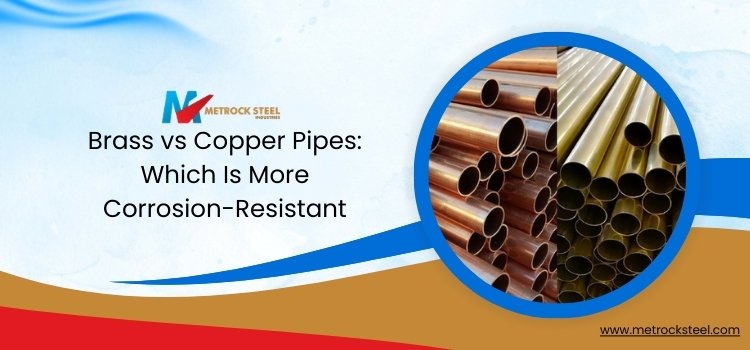
How Outdoor Conditions Affect Brass and Copper Pipes
When planning plumbing systems for outdoor use, the debate over brass vs copper pipes is crucial. Both metals are reliable, but their performance differs once they are exposed to the elements. Understanding the difference between brass and copper corrosion resistance is key to choosing a material that prevents leaks and costly repairs. Outdoor pipes face constant moisture, soil chemicals, and temperature swings, all of which accelerate corrosion over time.
This guide compares the brass pipe and copper pipe in terms of durability, lifespan, and ideal applications, so you can pick the best corrosion-resistant pipe for water supply in outdoor settings.
Brass vs Copper Corrosion Resistance
Corrosion resistance is the primary factor for outdoor plumbing longevity. When comparing brass vs copper corrosion resistance, both metals perform well, but they behave differently depending on water chemistry and environmental conditions.
Copper Pipe Corrosion Characteristics
Copper has natural antimicrobial and corrosion-resistant properties, which is why it has been used in plumbing systems for decades. Advantages include:
- Naturally resistant to rust and bacteria
- Thrives in clean, non-aggressive water systems
- Proven track record in residential plumbing
Even so, copper is not immune to corrosion in every outdoor condition. For example:
- Pitting corrosion can occur in highly acidic water
- Soil with high sulfate or chloride content can damage it
- Constant moisture in certain climates can shorten its lifespan
Copper remains one of the most suitable materials for outdoor plumbing as long as the water chemistry stays stable. If a pipe is already showing early tarnish or oxidation, our guide on how to clean a copper pipe covers how to address it before it becomes a bigger problem.
Brass Pipe Corrosion Characteristics
Brass is an alloy of copper and zinc, which gives it extra strength and corrosion resistance in certain settings. Advantages include:
- Superior resistance to stress corrosion cracking
- Higher strength across a range of temperatures
- Tolerates mineral-heavy or aggressive water better than copper
Because of these traits, brass is one of the corrosion-resistant plumbing materials many engineers reach for in demanding outdoor projects.
Brass or Copper Pipe for Outdoor Plumbing
The right choice between a brass or copper pipe for outdoor plumbing usually comes down to environmental factors and project requirements rather than a single universal answer.
Copper Pipes Are Ideal For
Contractors typically choose copper for:
- Residential outdoor water supply lines
- Irrigation systems with clean water
- Stable soil and water conditions
- Long, continuous pipe runs where installation cost matters
Brass Pipes Are Ideal For
Brass tends to show up where higher durability is the priority:
- Outdoor plumbing exposed to fluctuating temperatures
- Industrial plumbing systems
- Valves, fittings, and connectors that need extra strength
Their strength and durability are also why copper pipes remain the standard for air conditioning applications, and why brass is often preferred where temperature swings are more extreme.
Copper Pipe vs Brass Pipe Lifespan
Durability is another important factor. Both materials last a long time, but certain conditions favor one over the other.
Average Copper Pipe Lifespan
- 50-70 years in ideal water conditions
- 40-50 years in moderately aggressive conditions
Acidic water or soil contamination can shorten this range. For a technical baseline on wall thickness and pressure ratings across pipe types, the ASTM B88 standard for seamless copper water tube is a useful reference.
Average Brass Pipe Lifespan
- 40-70 years, depending on alloy quality
- Longer service life in systems with high pressure fluctuations
Brass also has a lower chance of cracking, which makes it a solid choice outdoors where pipes expand and contract with temperature changes. If you are working with different wall thicknesses across a project, our breakdown of the difference between copper tube types K, L, and M can help you match the right grade to the application.
Best Pipes for Outdoor Plumbing Systems
Contractors need to weigh more than corrosion resistance alone when choosing pipe for outdoor plumbing. Key factors include:
- Water chemistry
- Soil composition
- Temperature changes
- Installation environment
Many construction professionals recommend:
- Copper pipes for general outdoor water supply
- Brass pipes for fittings, valves, and high-stress plumbing areas
- Hybrid systems combining both materials for balanced, cost-effective performance
Key Differences Between Brass and Copper Pipes
A quick comparison for architects and contractors designing outdoor systems:
Copper Pipes
- Excellent corrosion resistance in clean water
- Extensive, proven track record in plumbing
- Generally lower material cost than brass
Brass Pipes
- Superior resistance to stress-corrosion cracking
- More robust for mechanical applications
- Withstands higher pressures and temperature changes
Conclusion
In the brass vs copper pipe debate for outdoor plumbing, both materials offer strong corrosion resistance and durability. Copper is a cost-effective, reliable choice for standard water supply lines in stable conditions. Brass offers more strength and resistance to mechanical stress, which makes it a better fit for fittings, valves, and high-pressure applications. For contractors and architects, the best approach is to match the material to environmental conditions, water chemistry, and system design rather than defaulting to one metal across the board.
FAQs
Which pipe is better for outdoor plumbing: brass or copper?
Copper is usually used in external water supply lines since it has a good level of corrosion resistance and durability. Brass is more widely used in fittings and valves where extra strength and durability are needed.
What is the best corrosion-resistant pipe for a water supply?
Copper pipes are widely regarded as one of the best corrosion-resistant options for water supply in both residential and commercial plumbing. Brass components can be added in harsher conditions to add further durability.
Do brass pipes last longer than copper pipes?
Both materials have long lifespans. Copper can last up to 70 years under good conditions, while brass can last a similar duration and tends to perform better under stress and pressure fluctuation.
Looking for reliable corrosion-resistant plumbing pipes for your construction or infrastructure project? Contact us or email us at sales@metrocksteel.com for more information on our copper pipe and brass pipe range.