
Understanding Outdoor Pipe Materials and Their Durability
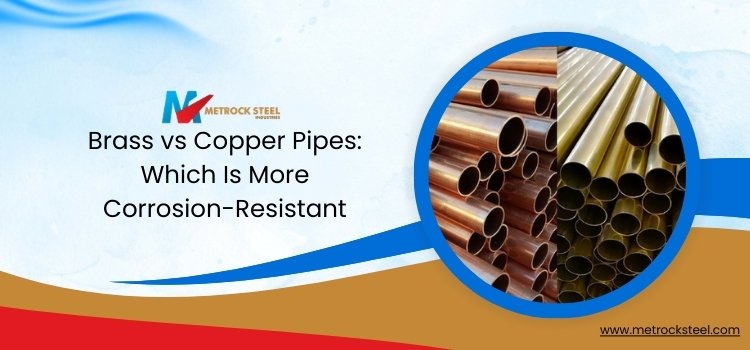
It is due to this that professionals tend to compare brass vs copper pipe alternatives when they are planning plumbing systems that are resistant to corrosion. The two metals have been decades old in the use of plumbing and are known to be reliable, but when subjected to the outdoor weather conditions, they perform at a lower level. Difference Between brass vs copper corrosion resistance, durability and long life performance is used to identify the best material.
The choice of piping material is a very critical decision for the various construction heads, architects and contractors involved in installing the plumbing systems of residential or commercial buildings outside. Outdoor pipes are subject to constant moisture, soil chemicals, temperature changes and environmental pollutants. Such conditions elevate the chances of corrosion that may affect the life of pipes, leakages, and costly repair works.
The knowledge of the superior performance of the brass pipe or copper pipe in outdoor plumbing is important when putting up water supply systems that are expected to last several years. In this guide, we will research corrosion resistance, life span and actual uses to establish the best corrosion-resistant pipe to use in water supply in outside settings.
Brass vs Copper Corrosion Resistance
Corrosion resistance is one of the key determinants of outdoor plumbing. The issues of brass vs copper corrosion resistance are comparable, as both metals are good in their behaviour, even in harsh conditions.
Copper Pipe Corrosion Characteristics
Copper has inherent antimicrobial and resistant features against corrosion, hence its extensive application in plumbing systems for several decades.
Advantages of copper pipes include:
- Intrinsically rust and bacteria-free.
- Grows adequately in pollution-free water supply systems.
- Verified residential plumbing performance.
Nevertheless, even in some outdoor conditions, copper is susceptible to corrosion. For example:
- Pitting corrosion may be caused by very acidic water.
- Copper may be damaged by soil conditions that are high in sulfate or chloride.
- In certain climates, constant exposure to moisture will reduce life expectancy.
Nevertheless, copper will continue to be one of the most suitable pipes to use for outdoor plumbing in cases where the chemistry of the water is not unstable.
Brass Pipe Corrosion Characteristics
Brass is an alloy mainly composed of copper and zinc, which enhances strength and the ability to resist corrosion in certain settings.
Brass pipes have the following advantages:
- Increased cracking and stress corrosion resistance.
- Higher strength in varied temperatures.
- Increased tolerance to heavy or aggressive water that contains minerals.
Due to these characteristics, brass is ranked among corrosion-resistant plumbing pipes that many engineers use in challenging outdoor engineering tasks.
Brass or Copper Pipe for Outdoor Plumbing
The selection of the brass or copper pipe for outdoor plumbing may most often rely on environmental factors and project specifications.
Copper Pipes Are Ideal For
Copper pipes are usually chosen:
- Outside lines of the water supply used in houses.
- Clean water systems for irrigation.
- Low environmental conditions.
Contractors will use copper where:
- Water quality is stable.
- They require extended pipe runs.
- The cost of installation must be moderate.
Brass Pipes Are Ideal For
Brass is more widely used in those applications that need higher durability.
Common uses of brass would be:
- Outside plumbing that is in the changing temperatures.
- Plumbing systems used in industries.
- Valves, fittings, connectors, and other plumbing items.
Due to their strength and durability, brass pipes are usually used in demanding projects where they are desirable by contractors who prefer the best corrosion-resistant pipe for water supply.
Copper Pipe vs Brass Pipe Lifespan
The other important determinant in outdoor plumbing design is durability. During the comparison of copper pipe vs brass pipe lifespan, both are great in terms of life, yet some circumstances might incline towards one of them.
Average Copper Pipe Lifespan
Copper pipes are expected to deal:
- Under perfect water conditions, 50-70 years.
- 40-50 years under moderately violent conditions.
Acidic water or soil contamination corrosion can, however, shorten life.
Average Brass Pipe Lifespan
Brass pipes can last:
- Depending on the quality of the alloy, 40-70 years.
- Systems with pressure fluctuations will last longer.
The chance of it getting cracks is also less, hence brass is a good choice when installing in the outdoors because the pipes could swell and contract with temperature variations.
Best Pipes for Outdoor Plumbing Systems
Contractors must consider more than just corrosion resistance when identifying the best pipes that can be used in outdoor plumbing.
Among the things that should be taken into account are:
- Water chemistry
- Soil composition
- Temperature changes
- Installation environment
Many construction professionals recommend:
- Copper pipes for the general outdoor water supply.
- Brass pipes for fittings, valves, and high-stress plumbing areas.
- Hybrid systems combining both materials for optimal performance
The most effective corrosion-resistant pipe to be used in a water supply can be made using a balanced system, which is cost-effective.
Key Differences Between Brass and Copper Pipes
The following is a rapid comparison that can be useful to architects and contractors who intend to design outdoor systems.
Copper Pipes
- There is great corrosion resistance in clean water.
- Extensive record of plumbing systems.
- Reduced the cost of material compared to brass.
Brass Pipes
- Increased stress corrosion cracking-resistance.
- Mechanical applications more robust.
- Greater ability to withstand pressure and change in temperatures.
This knowledge of these differences would assist the professionals in deciding the most credible corrosion-resistant plumbing pipes to use in their projects.
Conclusion
Conclusively, copper and brass are both good in corrosion resistance and durability when used in outdoor plumbing. Copper can be used when comparing brass vs copper pipe since copper is known to perform well, and it is also cost-effective when it comes to normal water supply lines. Nonetheless, brass is more resistant to stress corrosion and mechanical damage and is therefore very appropriate in fittings, connectors and high-pressure applications.
To the contractors, architects and construction personnel, the most suitable solution is to choose the materials with regard to the environmental conditions, the water chemistry and the design of the system. Assessing the brass and copper resistance to corrosion and the knowledge of the copper pipe vs brass pipe lifespan may aid in making plumbing installations long-lasting and reliable.
FAQs
Q1. Which pipe is better for outdoor plumbing: brass or copper?
Copper is usually used in the external water supply lines since it has a good level of corrosion resistance and durability. But then brass is more powerful, and it is relatively employed in fittings and valves where more durability is needed.
Q2. What is the best corrosion-resistant pipe for a water supply?
Copper pipes are greatly regarded as one of the best corrosion-resistant pipes, which can be used in water supply in both residential and commercial plumbing systems. Brass components can be used in harsh conditions to offer more durability.
Q3. Do brass pipes last longer than copper pipes?
The two materials have long life spans. Comparing copper pipe against brass pipe life, copper is good to last up to 70 years under good conditions, whilst the brass pipes can also last the same duration, but they do better in stressful, high-pressure conditions.
Looking for reliable corrosion resistant plumbing pipes for your construction or infrastructure project? Contact US or Email us at sales@metrocksteel.com for more information related to Copper pipe and brass pipe