
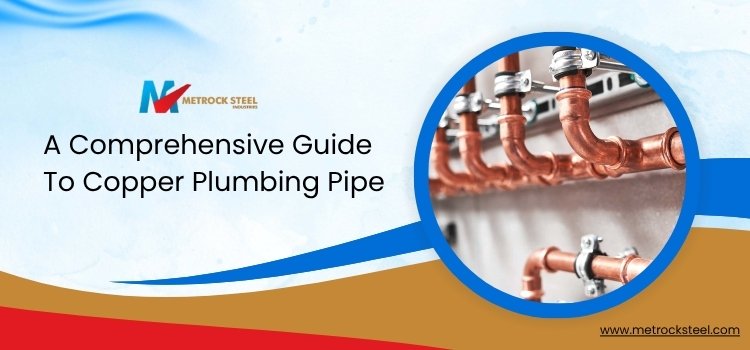
Why Copper Plumbing Pipes Stand Out in Modern Installations?
In the case of plumbing installation or renovation is concerned, understanding what Copper Plumbing Pipe is and why it is special is valuable information. Copper, with its remarkable longevity, ability to resist corrosion, and extended lifespan, is, however, one of the most reliable piping materials in the world today. A Comprehensive Guide to Copper Plumbing Pipe, for Homeowners and contractors, will outline the principles, identify the different varieties, and highlight the primary benefits of this material, accompanied by numerous useful tips essential for maintaining the fittings in good working condition.
Why Choose Copper Pipe for Plumbing?
Plumbing systems traditionally relied on copper pipes, and there is a reason why this is the case. They provide reliability, safety, and efficiency that is hardly comparable with other materials.
The major advantages of using copper water pipes include the following.
- Durability: When properly installed, copper may last more than 50 years.
- Corrosion Resistance: It is anti-rusting and anti-bacterial.
- High Heat Tolerance: It is perfect to use in both hot and cold water.
- Green: 100% recycling material.
- Leak-Free Joints: Well-soldered copper pipe fittings would be tight in connection.
Types of Copper Plumbing Pipes
It is necessary to see how to install various types of copper pipes and their applications in plumbing systems before installation.
1. Type K Copper Pipe
- Widest wall of all kinds
- Applied in under-surface applications and in harsh applications.
2. Type L Copper Pipe
- Medium wall thickness.
- A standard residential interior plumbing system.
3. Type M Copper Pipe
- Smaller walls and less expensive.
- Appropriate for low-pressure water systems.
4. DWV Copper Pipe
- Stainless steel washer-drain/waste/vent.
- Unsuitable with pressurized water.
Want to learn more about Difference Between Copper Tube Types – L vs K vs M
Understanding Copper Pipe Fittings
Pipe fittings are made of copper pipes that are used to join straight sections, size adoptions, or directional transitions. Common fittings include:
- Elbows: To alter the direction of the pipes.
- Tees: To split the mainstream.
- Couplings: This is used to join two pipes.
- Reducers: Reducers are made to join the various diameters.
- Caps: To seal pipe ends.
These fittings are usable in a soldering, compression, or push-fit application, depending on the design of the system.
Installation Tips for Copper Water Pipes
Copper piping plumbing needs accuracy and proper skills to install.
Here’s a quick guide:
- Measure and Cut: Clean cuts are made by the use of a pipe cutter.
- Deburr and Clean: Burrs and ends can be cleaned to achieve improved joining.
- Flux Coat the joint with flux and then heat.
- Solder Joints: Heat the fitting and then fill the joint with solder.
- Test Under Pressure: Check after cooling.
Maintenance and Lifespan
Copper pipes have been described as having minimal maintenance. However, to extend lifespan:
- Avoid acidic water exposure.
- Watch out for pinhole leakages.
- Wipe the system every now and then to avoid accretion of minerals.
When copper water pipes are well maintained, they can serve a generation, and therefore, it is a smart choice of investment in any property.
Conclusion
Copper plumbing pipes in the new plumbing systems have become a mark of stability and durability. They have stood the test of time and have been used over the decades by professionals to provide strong, resistant to corrosion, and safe drinking water. Copper does not emit toxic chemicals like most artificial ones; this is because, unlike most of its artificial counterparts, copper does not alter the water pressure and flow quality.
FAQs
Q1: What is the life expectancy of copper plumbing pipes?
Well-installed and taken care of copper pipes can last up to 50 years.
Q2: Which is a more suitable option, copper or PVC pipes?
Yes, copper is more durable and has a higher heat resistance, and is less likely to leach the chemical as compared to PVC.
Q3: Is it possible to use a copper pipe fitting with other materials?
No, under the right conditions, copper may be connected with such materials as PEX or PVC without any harm.
Ready to upgrade your home with durable, efficient piping? Explore the best copper plumbing pipe options and fittings today to ensure a long-lasting, leak-free system! Email us at sales@metrocksteel.com or contact us.