
Why Copper Pipes Remain the Top Choice in Plumbing?
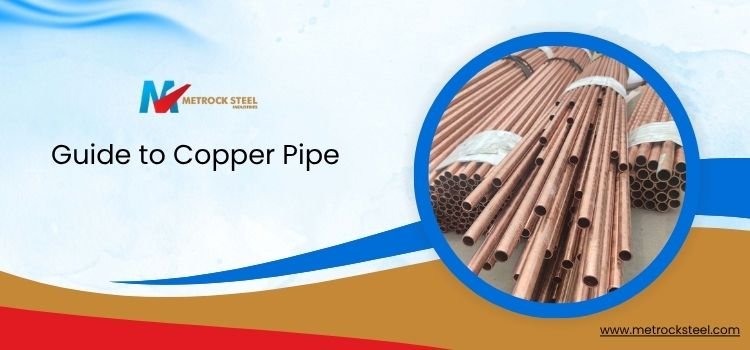
When you are seeking a complete Guide to Copper Pipe, then you have come to the right place of work. The plumbing and HVAC systems have long relied on copper piping. It is durable, resistant to corrosion, and has a reliability that burns timeless to ensure water flows like a symphony that has been recited many times. This guide will make you realize the types, uses, and sizes of copper pipes and the reason why the professionals are confident in them.
Why Copper Pipes Are Used in Modern Plumbing?
Copper can be a mere pipe made of metal, yet it is a superhero:
- Anti-corrosive, even in extreme water conditions.
- Resists pressure and extreme temperatures.
- Lasts for 50 or more years.
- Naturally inhibits bacterial growth.
- Recyclable and eco-friendly 100 per cent.
The use of copper pipes also contributes to the fact that the solutions in the plumbing are clean, safe, and durable. And think of them as loyal knights to your water supply kingdom.
Types of Copper Pipes
Knowledge of types of copper pipes is essential in buying and fitting copper pipes.
Type K Copper Pipe
- Thickest wall.
- Application Ideal for services and industry below the surface.
- Gives ultimate longevity.
Type L Copper Pipe
- Indoor plumbing is commonly used.
- Balanced wall thickness.
- Makes plumbers glad because of its flexibility.
Type M Copper Pipe
- Thinner and more affordable.
- Suited to the low-pressure homestead systems.
- Affordable alternative to most households.
Copper Tubing Coils (Soft Copper)
- Bends with ease in the shape that is needed.
- Applied in air conditioning and in refrigeration.
- Good partner for tight turns and bends.
Copper Pipe Sizes and Fittings
There are numerous sizes of copper pipes available to fit any fantasy that you may have:
- The sizes are standardized between 1/4 and 2 inches.
- Appropriate for soldering, compression, press fittings, and flare fittings
- The inner walls are smooth enough to offer friction-free moving as well as a uniform flow of water.
Pro tip: When fitting a type, always make sure to pair it with the type of category that fits the pipe so as not to have leakage that runs like raindrops.
Key Benefits of Copper Tubing
A quick highlight reel:
- Durability: Will last decades.
- Fire-resistant: Will not contribute to fire when there is an emergency.
- Health safe: No leaching of dangerous chemicals.
- Waterproof: Solid when installed.
- Green choice: 100 percent recyclable material.
The Gandalf of plumbing is copper. It has experienced everything and continues to save your house against anarchy.
Where Copper Pipes Are Commonly Used?
- Home-based water supply lines.
- Commercial buildings
- Medical Gas Distribution
- Fire sprinkler systems.
- Refrigeration and HVAC systems.
When confidence is needed in the system, then copper comes in.
Conclusion
Copper pipes do not possess a crown, yet they take control of the plumbing business through consistency and power. They keep the quality of your water, require lower maintenance, and provide decades of tranquility.
Copper is a friend to rely on in case you are planning new plumbing or upgrades. I require assistance in choosing the choice of what kind of copper pipe. I will assist you with specifications, price analysis, and so on.
FAQ: Guide to Copper Pipe
Q1. Which type of copper pipe is best for house plumbing?
Type L is advised as it will be a balance between strength and cost. It is compatible with hot and cold water.
Q2. How long do copper pipes last in a home?
Water can take 50 to 70 years or even longer, in the event of proper maintenance of water quality.
Q3. Are copper pipes better than PVC?
Copper is more resistant to heat, long-lasting, and cleaner than PVC, which is cheaper, though it may fail to work with hot water. This depends on your budget and application.
Have questions about copper pipes or need expert guidance for your plumbing project? We’re here to help. Email us at sales@metrocksteel.com or Contact Us